


Qlik Enterprise Manager
Centralized Management of Enterprise-Wide Data Integration.
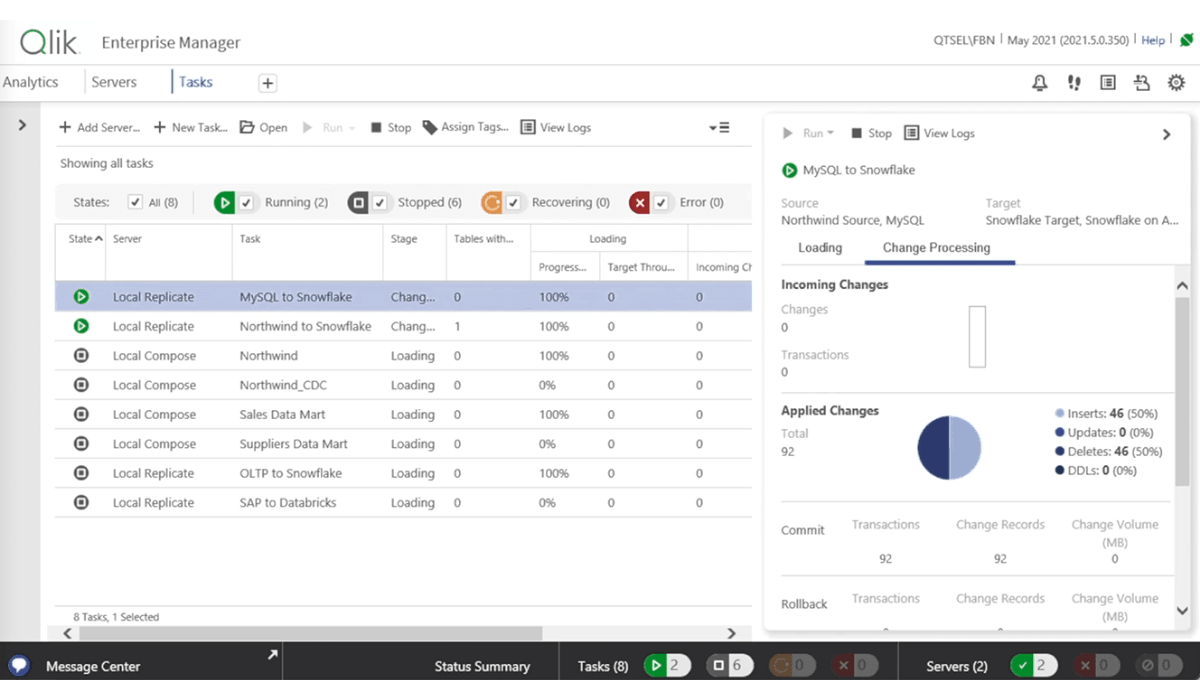
Qlik Enterprise Manager provides centralized management, monitoring, and automation of data replication and integration processes. Manage hundreds of tasks, servers, and data sources from a single console.
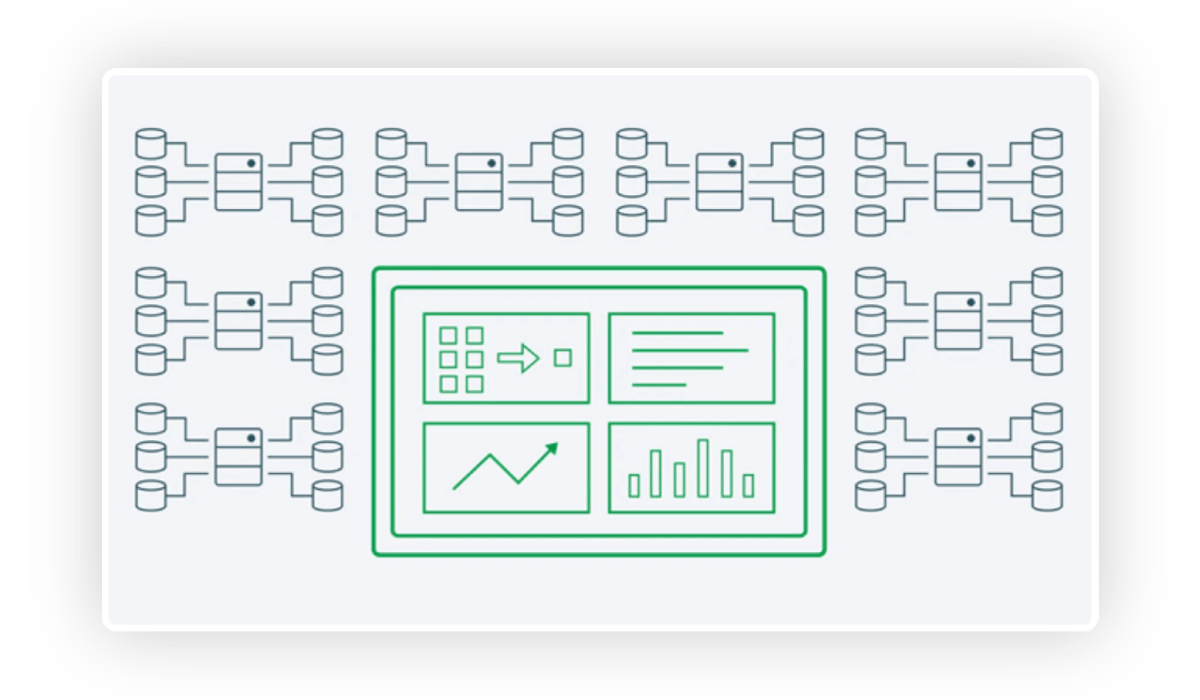

Qlik Enterprise Manager provides a unified console for managing data integration processes in an enterprise environment.
▪️ Centralized management of Qlik Replicate and Qlik Compose tasks
▪️ Configuration of Full Load and CDC processes from a single interface
▪️ Real-time monitoring of performance and replication status
▪️ Management of a large number of servers and data sources
▪️ Automation of operations via REST API, .NET, and Python
Qlik Enterprise Manager provides centralized control over all data integration processes, regardless of the number of servers, sources, or platforms.
▪️ A single point of control for the entire integration infrastructure
▪️ Real-time monitoring of hundreds of replication processes
▪️ Monitoring of performance, load, and resource usage
▪️ Centralized administration of Replicate and Compose
▪️ Integration with Qlik Catalog to build data lineage
▪️ Scalability as the enterprise data platform evolves
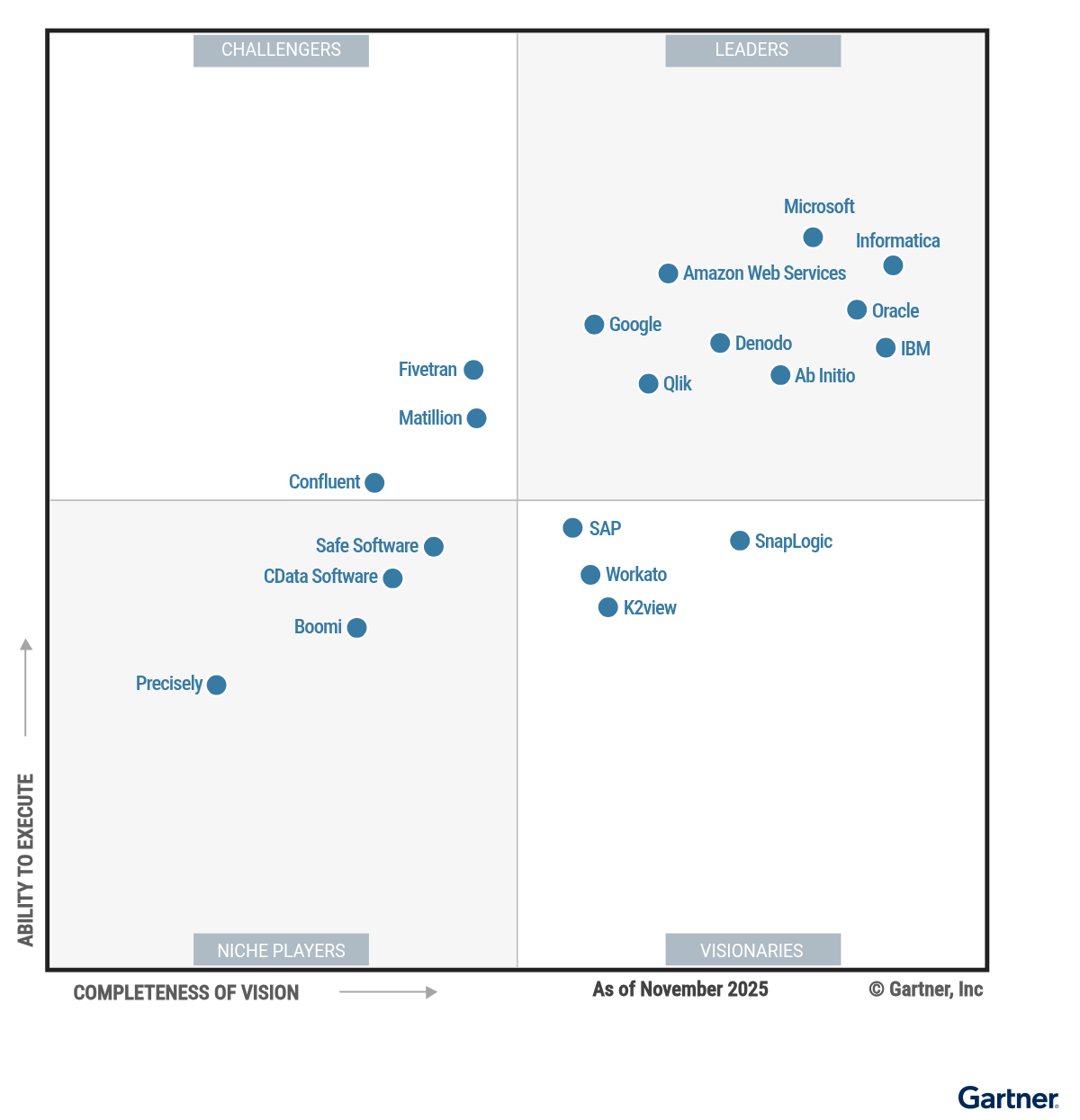
For the tenth consecutive year, Qlik has been recognized as a leader in Gartner’s “Magic Quadrant” in the “Data Integration Tools” category.
This confirms the platform’s effectiveness in addressing modern challenges related to data integration, management, and delivery for analytics and artificial intelligence.


Unified Management Console
Centralized administration of data integration processes.
Real-Time Monitoring
Monitoring of status, performance, and task completion.
Managing Qlik Replicate and Compose
A unified environment for configuring and monitoring integrations.
Centralized Scaling
Support for dozens of servers and hundreds of data sources.
Automation API
REST, .NET, and Python for integration with enterprise systems.
Integration with Qlik Catalog
Automatic data cataloging and data lineage mapping.
Performance Analytics
Execution history, KPIs, and workload planning.
Enterprise-Level Security
Centralized access control and administration.
 Unified Control Center
Manage all data integration processes from a single console.
Full Control with DataOpsEnterprise-wide monitoring, analysis, and automation of replication processes.
Rapid ScalingSupport for the development of the data platform without complicating administration.
Less manual workAutomation of the management and control of integration processes.
Improving ReliabilityPrompt identification of problems and monitoring of critical processes.
Transparency of the entire infrastructureA comprehensive understanding of the status of integrations, servers, and data flows.
Unified Control CenterManage all data integration processes from a single console.
Full Control with DataOpsEnterprise-wide monitoring, analysis, and automation of replication processes.
Rapid ScalingSupport for the development of the data platform without complicating administration.
Less manual workAutomation of the management and control of integration processes.
Improving ReliabilityPrompt identification of problems and monitoring of critical processes.
Transparency of the entire infrastructureA comprehensive understanding of the status of integrations, servers, and data flows.

Qlik Enterprise Manager for Data Replication Management and Monitoring
Modern data architectures continuously move information from operational systems to cloud and analytics platforms. As the number of data sources, endpoints, replication tasks, and servers grows, monitoring each component separately becomes increasingly difficult.
Qlik Enterprise Manager, available as part of Qlik Replicate, provides centralized management and visibility across the data replication environment. It enables technical teams to monitor Replicate Servers, endpoints, replication tasks, system performance, and data movement from a single interface.
This centralized approach is particularly relevant for architectures using Data Replication, CDC (Change Data Capture), Data Synchronization, and near real-time Data Integration to deliver data to Data Warehouses, Data Lakes, Lakehouses, and cloud analytics platforms.
Centralized Management of Qlik Replicate
Enterprise data replication environments can include multiple Qlik Replicate Servers and numerous tasks connecting different source and target systems. Qlik Enterprise Manager provides a centralized layer for administering and monitoring this distributed infrastructure.
Technical teams can use Enterprise Manager to:
- manage multiple Qlik Replicate Servers from one environment;
- monitor Data Replication and CDC tasks;
- start, stop, and track replication processes;
- control source and target endpoints;
- monitor task status and performance;
- track resource utilization;
- review current and historical information about replication operations;
- centralize monitoring across the Qlik Replicate infrastructure.
Instead of managing each server independently, administrators gain a consolidated view of the environment and its active data replication processes.
CDC and Near Real-Time Data Integration
Organizations often need to continuously deliver data from operational sources such as Oracle, Microsoft SQL Server, PostgreSQL, MySQL, SAP, and other enterprise systems to analytical and cloud platforms.
Change Data Capture (CDC) enables Qlik Replicate to identify changes after the initial data load and transfer them to target systems without repeatedly moving the complete dataset. This supports timely data availability while reducing the need for recurring full data copies.
As the number of CDC and replication tasks increases, centralized monitoring becomes increasingly important. Enterprise Manager helps teams track near real-time Data Replication and Data Integration, monitor task execution, and identify operational issues across the Qlik Replicate environment.
Qlik Replicate and Enterprise Manager in Azerbaijan
RBC Group implements Qlik Replicate solutions in Azerbaijan for organizations that need scalable Data Replication, Data Synchronization, and controlled delivery of enterprise data to modern analytics environments.
Qlik Enterprise Manager is available as part of Qlik Replicate and provides centralized administration and monitoring for the replication infrastructure.
Depending on the organization’s existing data architecture, an implementation project may include:
- assessment of the current Data Integration architecture;
- identification of source and target systems;
- Qlik Replicate architecture design;
- Qlik Replicate licensing and deployment;
- configuration of Replicate Servers and endpoints;
- setup of Full Load, CDC, and Data Replication tasks;
- Enterprise Manager configuration for centralized monitoring;
- training for technical specialists;
- technical support and further solution development.
The resulting architecture can support data delivery to Data Warehouses, Data Lakes, Lakehouses, Business Intelligence, Machine Learning, and AI environments.
Scaling Enterprise Data Replication
Data replication infrastructure evolves as organizations connect additional databases, applications, cloud services, and target platforms. More sources typically mean more endpoints, replication tasks, and infrastructure components that need to be monitored.
Enterprise Manager provides the centralized visibility required to manage this growth without administering every Qlik Replicate Server separately.
It helps organizations:
- centralize Qlik Replicate administration;
- monitor CDC, Data Replication, and Data Synchronization;
- maintain visibility across servers, endpoints, and replication tasks;
- identify issues in replication processes faster;
- simplify administration of distributed Qlik Replicate environments;
- scale Data Integration infrastructure as data requirements grow.
RBC Group helps organizations deploy Qlik Replicate in Azerbaijan and configure Enterprise Manager for centralized management and monitoring of enterprise data replication infrastructure.

