


FMCG Products in Azerbaijan
Analyze primary and secondary sales, and compare your sales against the market. Monitor the sales team’s performance and analyze the company’s financial metrics in Azerbaijan


industry need business analytics?

Consolidation of data on primary and secondary sales, market volume, and market share

Analysis of the Sales Team's Performance

Inventory Control and Management in Warehouses

Analysis of Settlements with Counterparties

Analysis of the Balance Sheet, Income Statement, Cash Flow, Working Capital, and Allocations

Access to company data at any time of day and on various devices

Reduction in errors caused by human error

The ability to identify a problem in real time and make a quick decision
of the solutions
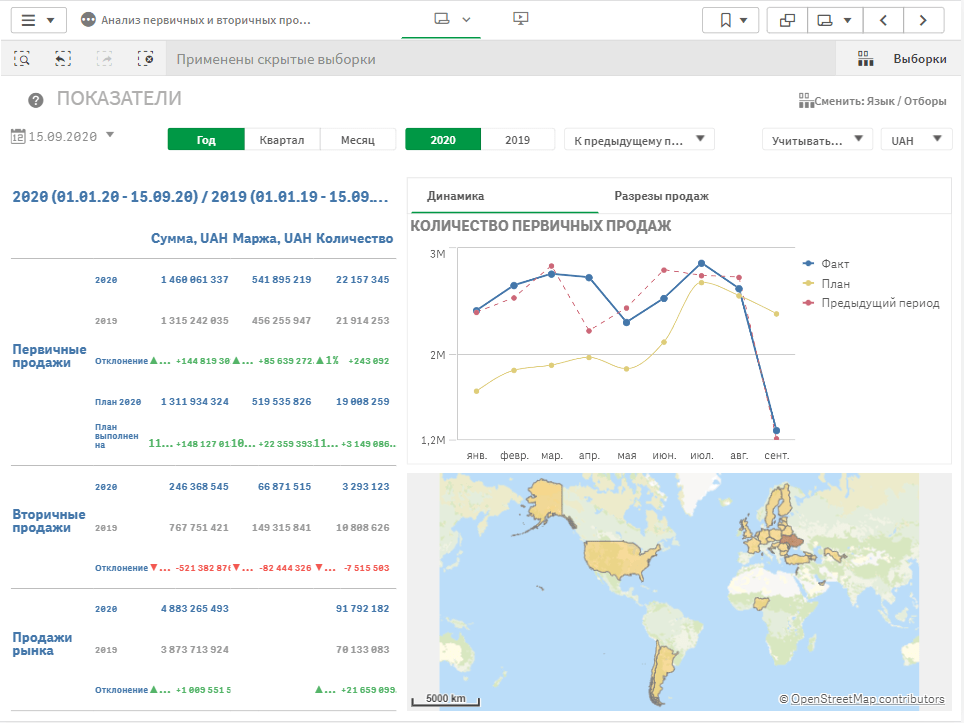
- Analysis of key performance indicators: sales volume, margin, number of orders, number of customers, etc.
- Detailed analysis by region, sales representative, retail outlet type, and product
- Plan-actual analysis across all dimensions
- ABC-XYZ analysis, FMR analysis, factor analysis, market analysis, etc.
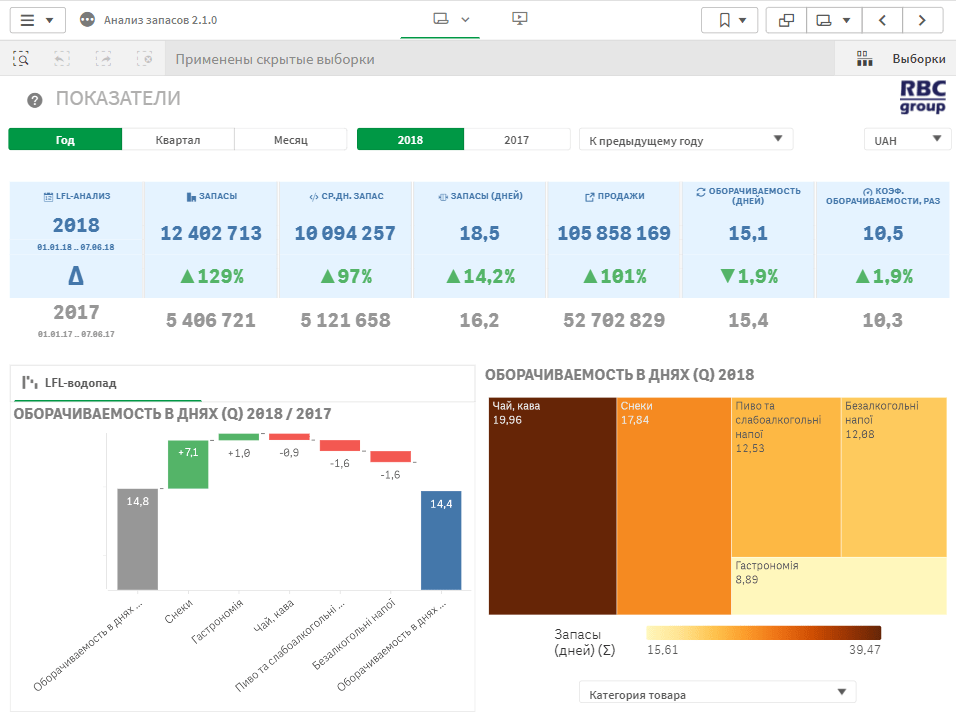
- LFL analysis of key inventory metrics: inventory level, average days' inventory, inventory (days), sales, inventory turnover, inventory turnover ratio
- Analysis of Product Mix Matrices
- Inventory turnover and inventory levels
- Analysis of Shortages, Surpluses, and Demand Forecasts
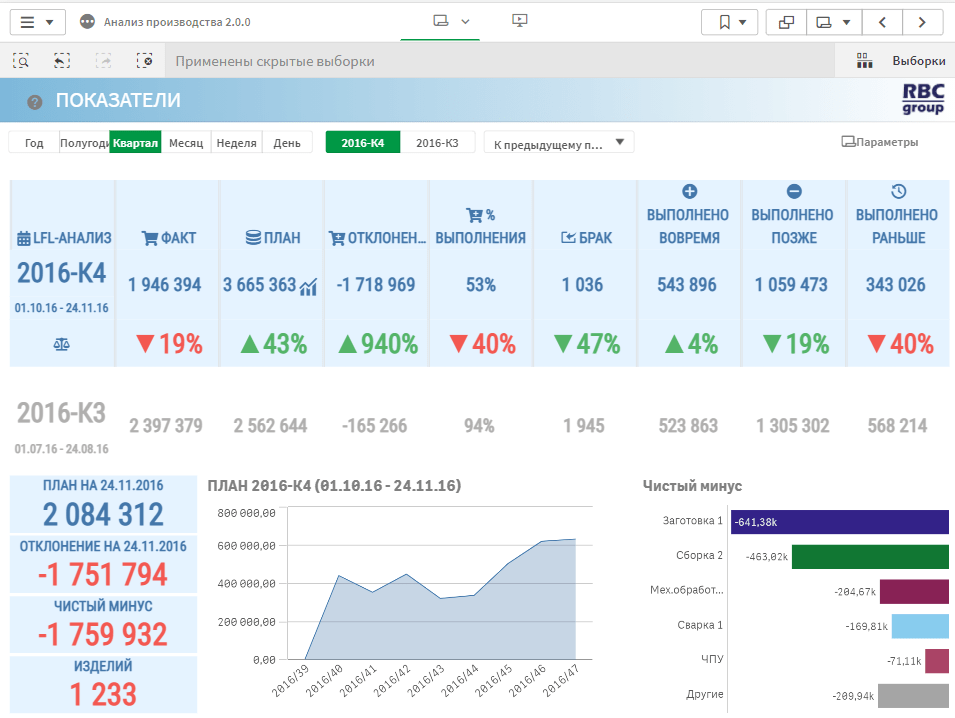
- Analysis of the Production Plan
- Analysis of Production Dynamics and Discipline
- A Detailed Analysis of Defects and Production Losses
- Analysis of Production Efficiency

- A detailed analysis of accounts receivable by aging categories
- Analysis of Settlements with Counterparties
- Assessment of Counterparty Reliability
- Analysis of past-due accounts receivable, their increase, and repayment

- P&L Analysis Compared to the Budget and Previous Periods
- Factor Analysis of P&L
- Cash-Flow
- Balance
- Working capital, cost allocation

- Dashboard with key metrics
- Plan-actual, dynamic, percentage-based, ranking, and ABC analysis of the company’s procurement process
- Procurement and Supplier Structure
- Supplier Evaluation and Delivery Schedule Monitoring
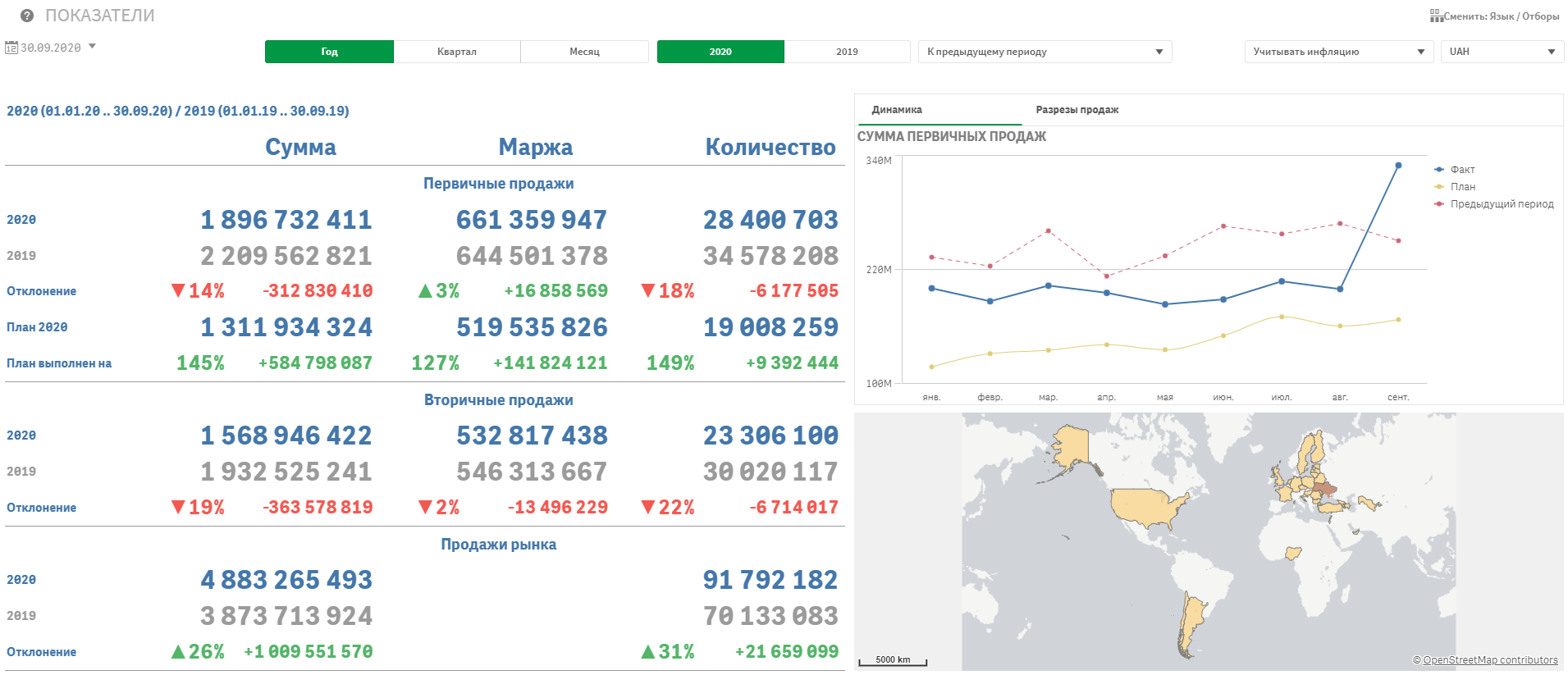
- Analysis of key performance indicators: sales volume, margin, number of orders, number of customers, etc.
- Detailed analysis by region, sales representative, retail outlet type, and product
- Plan-actual analysis across all dimensions
- ABC-XYZ analysis, FMR analysis, factor analysis, market analysis, etc.
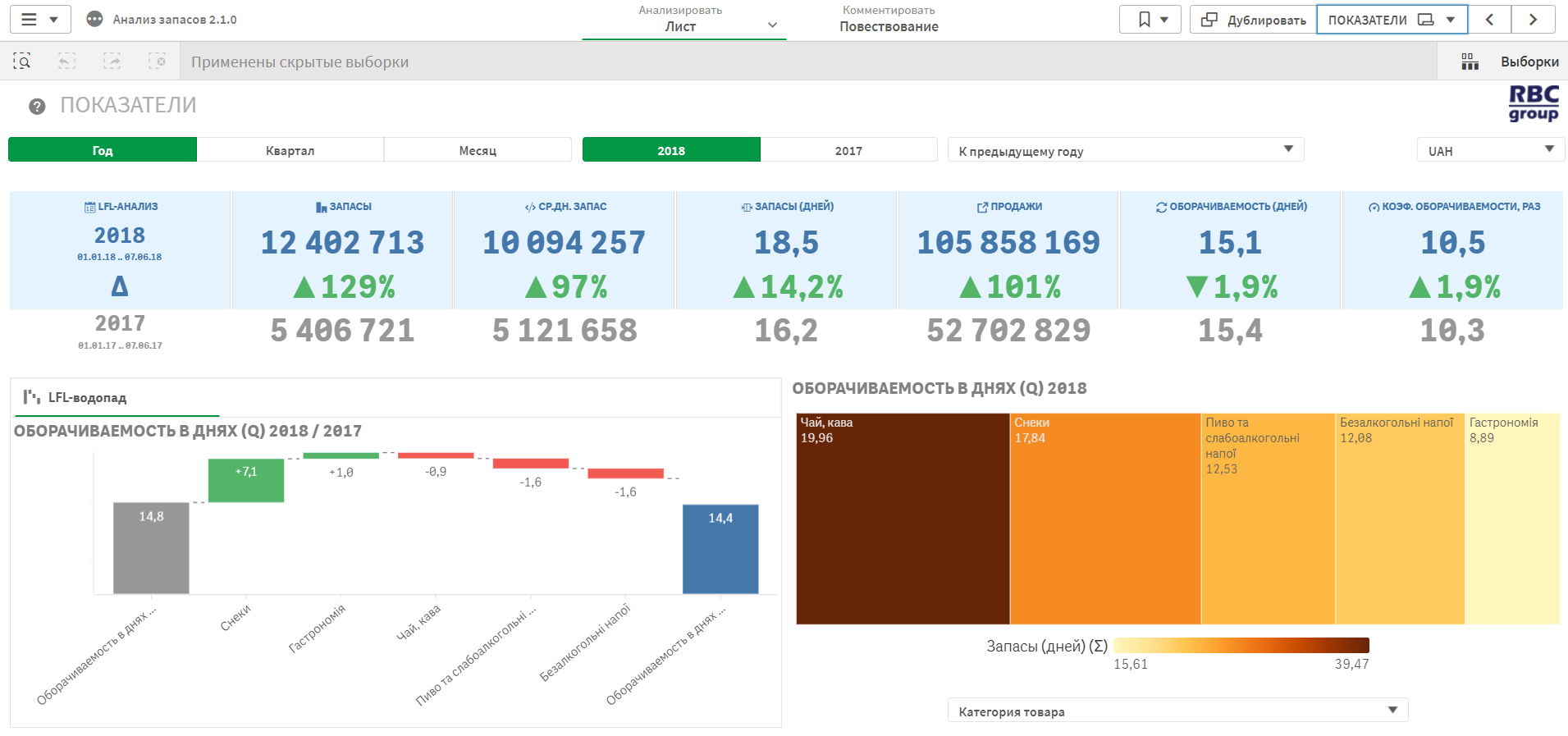


- LFL analysis of key inventory metrics: inventory level, average days' inventory, inventory (days), sales, inventory turnover, inventory turnover ratio
- Analysis of Product Mix Matrices
- Inventory turnover and inventory levels
- Analysis of Shortages, Surpluses, and Demand Forecasts
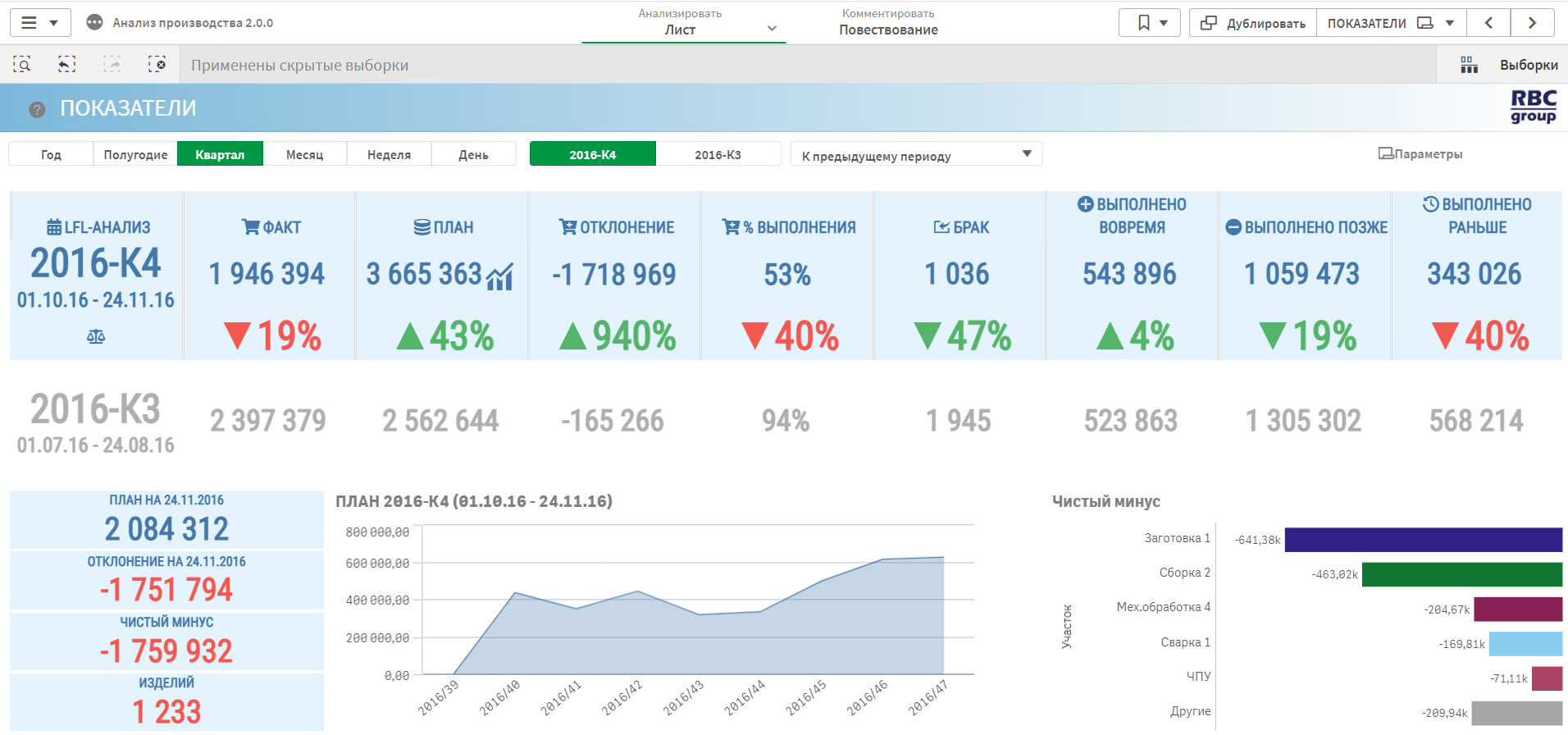
- Analysis of the Production Plan
- Analysis of Production Dynamics and Discipline
- A Detailed Analysis of Defects and Production Losses
- Analysis of Production Efficiency
- A detailed analysis of accounts receivable by aging categories
- Analysis of Settlements with Counterparties
- Assessment of Counterparty Reliability
- Analysis of past-due accounts receivable, their increase, and repayment
- P&L Analysis Compared to the Budget and Previous Periods
- Factor Analysis of P&L
- Cash-Flow
- Balance
- Working capital, cost allocation
- Dashboard with key metrics
- Plan-actual, dynamic, percentage-based, ranking, and ABC analysis of the company’s procurement process
- Procurement and Supplier Structure
- Supplier Evaluation and Delivery Schedule Monitoring

Please leave your contact information and we will call you back


We offer three core solutions that align with the strategic development priorities of the fastest-growing FMCG companies.
These solutions help FMCG companies become more customer-focused and efficient.
Companies are optimizing customer engagement across sales channels

Engaging customers through sales channels
Companies are reengineering their business processes to optimize their supply chains
Optimization of the supply chain, production, and inventory
Data Management


FMCG
The fast-moving consumer goods (FMCG) industry is the world’s largest market and is highly competitive. Operating in this sector requires a deep understanding of the business and all the processes involved. The need for rapid and detailed data analysis stems from the nature of the products, which are characterized by high purchase frequency and, consequently, high turnover.
Business analytics is one of the tools that drives business growth in the FMCG sector. It is a software tool that provides an overview of business operations, allowing users to review historical data and monitor the company’s current activities. This information is presented to end users in a visual format through reports, charts, or dashboards. FMCG analysis, implemented using BI capabilities, allows not only for a comprehensive examination but also for comparing results across different periods, evaluating the effectiveness of decisions made, and identifying business weaknesses.
Key Challenges Facing Companies in the FMCG Industry
Collecting, analyzing, and utilizing information provides FMCG manufacturers and retailers with significant competitive advantages. Companies operating in this sector face the following challenges:
- a rapid pace of change, which requires more frequent monitoring and quick decision-making;
- the use of diverse data sources, which complicates report generation and causes delays;
- the presence of numerous analytical components depending on the task at hand, requiring constant modification of reports;
- a high probability of data distortion due to manual processing, which negatively impacts the quality of decisions made.
The problem of a lack of up-to-date information acutely affects not only executives but also specialists at various levels. For example, managers need to make decisions autonomously when resolving issues with counterparties regarding debt repayment or organizing deliveries, without having to clarify the necessary information over the phone.
How business analytics helps organizations in the FMCG industry
The analysis of everyday consumer goods using BI tools primarily accelerates the decision-making process. Managers gain the ability to monitor results and make decisions at any time. Data democratization ensures that not only senior management, responsible for the department’s overall performance, but also every key employee has access to the necessary up-to-date information, enabling them to work faster and more efficiently.
Pre-configured analytical solutions for the FMCG manufacturing and sales sector are designed with the needs of individual departments in mind:
- Analysis of primary and secondary sales allows for tracking results, improves the quality of planning, and enables the breakdown of results by product, counterparty, region, and manager;
- Inventory analysis is used to monitor and plan optimal stock levels of finished goods, assess inventory turnover, and reduce dead stock;
- Accounts receivable analysis indicates the quality of counterparty relationship management and helps plan the company’s operations;
- Procurement analysis is used to monitor the achievement of targets, plan production and sales, build rankings, and identify the highest-priority products;
- Financial analysis is a powerful tool for monitoring the execution of financial plans, margins, revenues, and expenses;
- HR analysis provides HR departments with data on changes in headcount, assessment of labor costs, and tracking of work productivity.
The analytical solution enables effective management of business units and coordination of work, as well as tracking the company’s progress by comparing the results of FMCG market analysis with its own performance metrics.

